
Solar Panel Installation for Business
Businesses today face rising electricity costs that eat into profit margins. Solar panel installation offers a practical solution to reduce operational expenses while contributing to environmental sustainability.
Commercial solar systems provide long-term financial benefits through reduced utility bills and government incentives. Smart companies recognize solar energy as both an investment opportunity and corporate responsibility initiative.
Understanding Commercial Solar Panel Systems
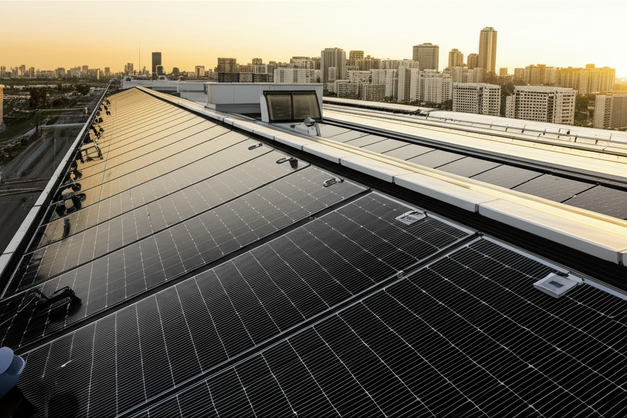
Commercial solar installations differ significantly from residential setups in scale, complexity, and potential returns. Business properties typically offer larger roof spaces or ground areas, allowing greater energy generation capacity. These systems range from 50kW to several megawatts, depending on energy consumption patterns and available space.
Key Components of Business Solar Solutions
Professional installations include photovoltaic panels, inverters, mounting structures, monitoring equipment, and electrical connections. Each component plays a crucial role in converting sunlight into usable electricity. Modern commercial inverters optimize power output while monitoring systems track performance metrics in real-time.
Financial Benefits and ROI Analysis
Companies typically see return on investment within 3-7 years through reduced electricity bills. Federal tax credits currently offer 30% deductions on installation costs, while many states provide additional rebates. Businesses also benefit from accelerated depreciation schedules, allowing faster tax write-offs on solar equipment purchases.
Long-term Cost Savings Breakdown
Monthly electricity savings often reach 50-80% after solar implementation. A medium-sized business spending $5,000 monthly on electricity might reduce costs to $1,000-2,500. Over 25 years, total savings frequently exceed $1 million, considering rising utility rates and maintenance costs.
| Business Size | Average System Cost | Typical Payback Period | 25-Year Savings |
|---|---|---|---|
| Small (50kW) | $100,000-150,000 | 4-6 years | $400,000-600,000 |
| Medium (200kW) | $400,000-600,000 | 5-7 years | $1.5-2 million |
| Large (500kW+) | $1 million+ | 6-8 years | $4 million+ |
Installation Process and Timeline
Commercial solar projects typically require 3-6 months from initial consultation to operational status. The process begins with site assessment, analyzing roof condition, structural capacity, and electrical infrastructure. Engineers design custom solutions matching specific energy requirements and building characteristics.
Permitting and Regulatory Compliance
Local authorities require various permits before installation begins. These include building permits, electrical permits, and interconnection agreements with utility companies. Professional installers handle paperwork, ensuring compliance with national electrical codes and local regulations. The permitting phase usually takes 4-8 weeks.
Choosing the Right Solar Contractor
Selecting qualified installers determines project success and long-term performance. Look for contractors with NABCEP certification, proven commercial experience, and comprehensive warranties. Request references from similar-sized businesses and verify insurance coverage including general liability and workers' compensation.
Evaluation Criteria for Solar Companies
Compare multiple proposals focusing on equipment quality, warranty terms, and maintenance packages. Premium installers offer 25-year performance guarantees and include monitoring services. Avoid companies pushing immediate decisions or offering prices significantly below market averages.
Maintenance and Performance Optimization
Commercial solar arrays require minimal maintenance but benefit from regular inspections. Quarterly visual checks identify potential issues like debris accumulation or damaged panels. Annual professional inspections ensure optimal performance and prevent minor problems from becoming costly repairs.
Monitoring and Troubleshooting
Advanced monitoring platforms track energy production, identifying underperforming panels immediately. Remote diagnostics allow technicians to resolve many issues without site visits. Regular data analysis helps businesses understand consumption patterns and optimize energy usage strategies.
Environmental Impact and Corporate Image
Solar adoption demonstrates environmental commitment, enhancing brand reputation among eco-conscious consumers. Businesses reduce carbon footprints by thousands of tons annually, equivalent to planting hundreds of trees. Marketing departments leverage green initiatives, attracting customers who prioritize sustainability.
Conclusion: Solar panel installation represents a strategic investment for forward-thinking businesses. Beyond immediate cost savings, companies gain energy independence, tax advantages, and enhanced market positioning. The combination of financial returns, environmental benefits, and technological advancement makes commercial solar adoption an intelligent business decision for organizations planning long-term success.